

WhatsApp has become an indispensable communication tool for businesses, offering a direct, real-time, and highly personal channel to connect with their audience. In a world where customers expect instant responses and meaningful interactions, WhatsApp provides the familiarity and immediacy people trust. While one-on-one conversations are great for delivering personalized support, WhatsApp Broadcast takes communication to the next level—allowing businesses to send targeted messages to hundreds or even thousands of users at once, all while keeping each interaction private.
This powerful feature not only saves time but also creates a scalable way to engage customers with promotions, updates, reminders, or educational content. Unlike traditional group chats, WhatsApp Broadcast ensures privacy and professionalism by delivering messages individually, without recipients seeing others in the list.
This makes it ideal for businesses aiming to maintain a personal touch at scale. However, simply blasting out generic updates won’t lead to real results. To truly leverage the power of WhatsApp broadcast and drive stronger customer engagement, businesses must adopt a strategic approach—crafting relevant, timely, and value-driven content that feels personal and useful to the recipient. With the right execution, WhatsApp Broadcast can transform how you connect with your audience, turning passive recipients into active and loyal customers.
Table of Contents
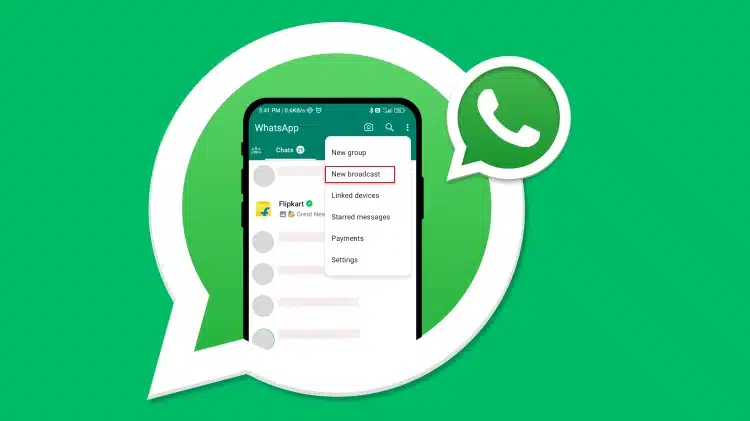
Understanding WhatsApp Broadcasts: App vs. API for Engagement
It’s crucial to understand the two main ways to send broadcasts:
- WhatsApp Business App Broadcasts: Ideal for small businesses. You can send messages to a maximum of 256 contacts per list. The catch? Recipients must have your number saved in their contacts to receive the broadcast.
- WhatsApp Business API Broadcasts: Designed for medium to large businesses. This allows you to send messages at scale (to thousands, even hundreds of thousands of users daily, depending on your quality rating) and overcomes the “saved contact” limitation. It requires integration with a Business Solution Provider (BSP) and relies on Meta-approved message templates for proactive outreach.
For serious customer engagement and scalability, the WhatsApp API is the preferred method for broadcasts. This guide will focus on best practices applicable to both, with an emphasis on the power unlocked by the API.
The Golden Rules for Effective WhatsApp Broadcasts
To truly boost customer engagement and avoid being marked as spam, adhere to these principles:
- Get Explicit Opt-In (Non-Negotiable!):
- This is the most critical step. Never add contacts to a broadcast list without their explicit consent.
- Clearly inform users what kind of messages they will receive (e.g., “Sign up for exclusive deals,” “Receive order updates”).
- Use website prompts, QR codes, in-store sign-ups, or “Click-to-WhatsApp” ads to collect opt-ins.
- Why it matters: WhatsApp strictly enforces its policies. Sending unsolicited messages can lead to your number being flagged or even banned.
- Segment Your Audience Strategically for Better Customer Engagement:
- Generic messages get ignored. Personalization is key to strong customer engagement.
- Segment your contacts based on demographics, purchase history, interests, past interactions, or location.
- Examples: “Customers who viewed X product,” “VIP loyalty members,” “Customers from [City Y],” “Those who abandoned their cart.”
- Benefit: Highly targeted messages are far more likely to be opened and acted upon, leading to better customer engagement.
- Personalize Your Messages:
- Beyond segmentation, use individual customer data. Address recipients by their name.
- Reference past purchases, Browse history, or specific interests.
- API Advantage: The WhatsApp API allows for seamless integration with CRMs, making advanced personalization and dynamic content easy, which significantly boosts customer engagement.
- Provide Value, Always:
- Every WhatsApp Broadcast message should offer something useful, informative, or exclusive to the recipient. Avoid purely salesy or spammy content.
- Ideas:
- Exclusive Offers: “Limited-time discount just for our WhatsApp community!”
- Useful Updates: “Your order #12345 has shipped!” or “Appointment reminder for tomorrow at 2 PM.”
- Content Sharing: Link to a new blog post, helpful tip, or quick tutorial.
- Behind-the-Scenes: Share unique insights into your brand.
- Event Invitations: Announce webinars, workshops, or special sales.
- Customer Support: Proactively inform about service changes or address common queries.
- Keep it Concise & Conversational:
- WhatsApp is a messaging app, not an email client. Write in a friendly, conversational tone.
- Get straight to the point. Use short paragraphs, bullet points, and even emojis (where appropriate) to enhance readability.
- Avoid long blocks of text that are difficult to consume on a mobile screen.
- Leverage Rich Media:
- Text-only messages can be bland. Enhance your WhatsApp Broadcasts with engaging visuals.
- Include: High-quality images, short videos (e.g., product demos), PDFs (e.g., e-brochures), and GIFs.
- API Advantage: The API supports interactive messages with Call-to-Action (CTA) buttons and Quick Reply buttons, guiding users to the next step, thus improving customer engagement.
- Include a Clear Call-to-Action (CTA):
- What do you want the recipient to do after reading your message? Make it obvious.
- Examples: “Shop Now,” “Learn More,” “Reply YES to confirm,” “Visit Our Website,” “Call Us.”
- For API users, clickable buttons streamline the user journey, enhancing customer engagement.
- Mind the Timing & Frequency:
- Send messages when your audience is most likely to be receptive and active. Avoid late-night or very early morning messages unless absolutely critical (like an emergency alert).
- Don’t bombard your audience. Too many messages will lead to unsubscribes and blocks. Find a consistent, valuable frequency that keeps you top-of-mind without being annoying.
- Monitor your metrics: If open rates drop or block rates increase, adjust your frequency.
- Be Prepared for Responses:
- WhatsApp Broadcast is a one-way send, but it encourages two-way conversation. Be ready to respond promptly to replies.
- API Advantage: Integrate your CRM or customer service platform to manage incoming messages efficiently. Use chatbots for instant answers to FAQs or to route complex queries to live agents.
- Analyze & Optimize Your WhatsApp Broadcast Strategy:
- Track key metrics: open rates, click-through rates (CTR), reply rates, conversion rates, and opt-out rates.
- A/B test different message variations, CTAs, visuals, and sending times to see what performs best.
- Use insights from your analytics to continuously refine your WhatsApp Broadcast strategy for maximum customer engagement.
Common Use Cases for WhatsApp Broadcasts
Here are practical ways to use WhatsApp Broadcasts to boost customer engagement:
- Promotions & Offers: Flash sales, exclusive discounts, new product launches.
- Order Updates: Confirmation, shipping notifications, delivery alerts.
- Appointment Reminders: For services, consultations, or showings.
- Customer Support: Important service announcements, outage updates, FAQ answers.
- Content Distribution: Sharing blog posts, articles, or useful resources.
- Feedback Collection: Short surveys or requests for reviews.
- Loyalty Programs: Updates on points, exclusive benefits for loyal customers.
- Re-engagement: Messages to inactive customers with special incentives.
Conclusion: Master WhatsApp Broadcasts for Stellar Customer Engagement
WhatsApp Broadcasts, especially when powered by the WhatsApp Business API, are an incredibly effective communication tool for modern businesses. They provide a direct line to customers’ most-used messaging app, enabling timely and highly personalized communication that few other platforms can match. Whether you’re sharing a promotional offer, an event reminder, or a personalized update, broadcasts can help build stronger connections with your audience.
That said, the true impact of WhatsApp as a marketing channel comes not just from reach, but from relevance. Simply sending out mass messages won’t guarantee success. The key lies in delivering meaningful content that your audience genuinely wants to receive. This means understanding your customers, segmenting them thoughtfully, and crafting messages that align with their interests, behaviors, or needs.
Privacy and consent are also critical. Respecting user preferences and building trust through permission-based messaging creates a positive brand experience that encourages long-term loyalty. Furthermore, consistency matters—when your audience knows they can expect high-quality, timely updates from your brand, they’re more likely to remain engaged and responsive.
Ultimately, by adopting a thoughtful, data-driven strategy that prioritizes value over volume, you can transform WhatsApp from a basic messaging tool into a high-impact customer engagement channel. Focus on delivering relevant, helpful content that strengthens your relationship with each segment of your audience. When done right, WhatsApp Broadcasts don’t just boost visibility—they become a key part of your customer retention and business growth engine.