

For years, the real estate industry has been seen as slow to adopt new technologies. But with the rise of real estate software built on blockchain, that’s all changing. This isn’t just a tech trend; it’s a fundamental shift that is making real estate transactions more secure, transparent, and accessible, especially for a new generation of investors.
This shift is driven by blockchain’s inherent ability to create a secure, immutable, and decentralized ledger for all transactions. Unlike traditional record-keeping that relies on a single, vulnerable authority, blockchain distributes data across a network of computers. This makes it virtually impossible to tamper with records, from property deeds to ownership history, effectively eliminating common risks like title fraud and data manipulation. This newfound security and transparency is paving the way for innovative real estate software that automates complex processes and builds trust among all parties involved, from agents and brokers to buyers and sellers.
Beyond the Buzzword: What Blockchain Means for Real Estate
At its core, blockchain is a distributed digital ledger. Think of it as a shared, unchangeable record book that everyone can access but no one can alter. When applied to real estate through specialized real estate software, this technology solves some of the industry’s biggest problems.
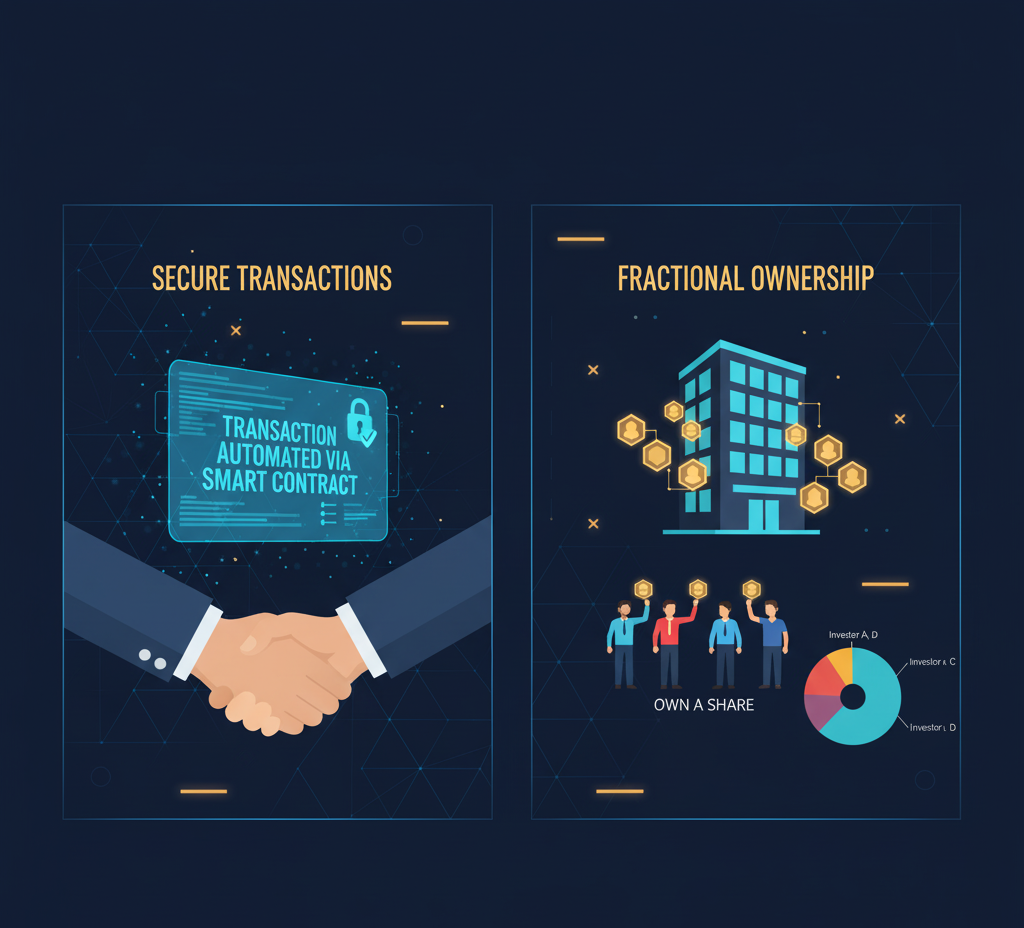
- Smart Contracts for Frictionless Transactions: Traditional real estate deals are loaded with paperwork and intermediaries, leading to delays and high costs. Blockchain enables “smart contracts”—self-executing agreements where the terms are written directly into code. Once conditions are met (like a payment being received), the contract automatically transfers ownership. This eliminates the need for escrow and other third parties, speeding up the process from weeks to a matter of days.
- Immutable Records for Unprecedented Security: Every transaction on a blockchain is permanently recorded, creating a secure and verifiable ownership history. This immutable record makes it virtually impossible to forge deeds or titles, drastically reducing the risk of fraud and legal disputes. This added layer of security builds trust and provides peace of mind for buyers and sellers.
- Transparency and Trust: All parties involved in a blockchain transaction can view the same ledger, ensuring a single source of truth. This transparency streamlines the due diligence process and makes it easier to verify a property’s history, as you no longer need to rely on fragmented, siloed databases.
Fractional Ownership: Democratizing Real Estate
One of the most exciting applications of blockchain is its ability to democratize real estate ownership through tokenization. Traditionally, investing in high-value properties like commercial buildings or luxury villas was reserved for the wealthy. Blockchain-based real estate software changes this.
- The Power of Tokenization: Tokenization is the process of converting a real-world asset into a digital token on a blockchain. A property can be “tokenized” and divided into thousands of individual shares. Each token represents a small, fractional ownership of the property.
- Accessibility and Affordability: By dividing an expensive property into affordable tokens, investors can now buy a small piece of a multi-million-dollar asset. This opens up the real estate market to a global audience of everyday investors who previously couldn’t afford to participate.
- Liquidity: Tokens can be easily bought and sold on a secondary market, much like stocks. This tackles one of the biggest drawbacks of traditional real estate: its illiquidity. Instead of waiting months to sell a property, an investor can sell their fractional share in minutes, providing unparalleled flexibility.
Blockchain-based real estate software is poised to revolutionize how we buy, sell, and invest in property. It’s creating a future where the real estate market is not only more secure and transparent but also more accessible to everyone.Building on that, this revolution is just getting started. The integration of blockchain into real estate software is making it easier than ever to track every detail of a property, from its construction history to its ownership lineage. This granular transparency is building a new foundation of trust in a market that has often been opaque. For investors, the ability to buy and sell fractional shares of properties with a few clicks on a decentralized platform means capital is no longer tied up in illiquid assets. This increased liquidity and accessibility will likely attract a new wave of global investment, transforming local property markets into interconnected digital assets that can be traded 24/7.